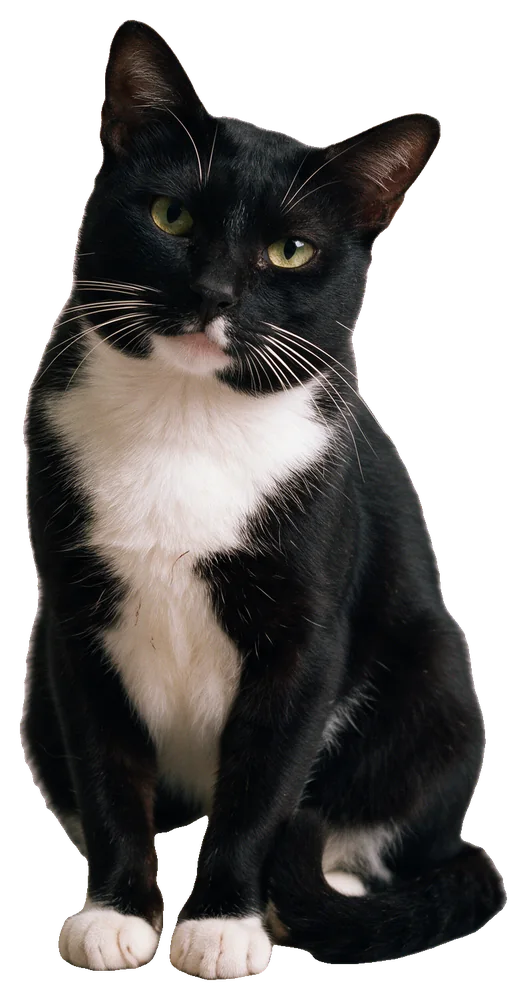
When should I spay or neuter my cat or dog in Sekinchan? Cats: by five months, says the US vet association AAHA, or about four months, say International Cat Care and PDSA. Small dogs: about six months; large-breed dogs often wait until they stop growing, usually 9 to 15 months. Sources differ, so ask the vet about your pet's timing. DrVET Klinik Veterinar Sekinchan, in the same row as Public Bank, does spay and neuter.
Key takeaways
- Cats: the American Animal Hospital Association (AAHA) advises spaying or neutering by five months; International Cat Care and the UK charity PDSA advise around four.
- Dogs: AAHA's guidelines put small breeds at about six months and large breeds after growth stops, usually 9 to 15 months; sources differ most for big dogs.
- DrVET Klinik Veterinar Sekinchan, on Jalan Besar, does spay and neuter; cases needing special equipment are referred out.
- After surgery, the ASPCA advises 7 to 10 days of rest and checking the wound at least twice a day.
On this page7
At what age should you spay or neuter a cat?
Spay or neuter a cat (mandul, kembiri or steril kucing) by about four to five months of age. The American Animal Hospital Association (AAHA) recommends sterilising cats by five months, and International Cat Care says neutering should routinely take place at around four months, before cats reach sexual maturity.
The Cornell Feline Health Center puts the rule for females simply:
"A female should be spayed prior to her first heat, says Dr. Looney."
Cornell Feline Health Center, reporting the advice of Andrea Looney, DVM
Until then, keep an unneutered kitten indoors and away from other unneutered cats from four months old: PDSA's cat guide warns that even related cats will mate. For a very large breed such as the Maine Coon, International Cat Care suggests talking the timing over with the vet. Not sure if your kitten is ready? WhatsApp DrVET your kitten's age and sex.
When should you spay or neuter a dog, and why do big dogs wait?
For dogs, the age depends on size. AAHA, citing its Canine Life Stage Guidelines, says small-breed dogs (under about 20 kg as adults) should be neutered at six months or spayed before the first heat, at five to six months. Large-breed dogs should be neutered after growth stops, usually at 9 to 15 months.
PDSA's dog guide says most dogs can be neutered at around six months, but large and giant breeds may wait: their growth plates close a few months later, and some evidence links neutering them at four to six months to joint problems later in life.
| Pet | AAHA (US) | PDSA (UK) |
|---|---|---|
| Cats | By 5 months | Around 4 months |
| Small-breed dogs (AAHA: under about 20 kg as adults) | Neuter at 6 months; spay before the first heat (5–6 months) | Around 6 months (most dogs) |
| Large-breed dogs (AAHA: over about 20 kg as adults) | After growth stops, usually 9–15 months; females 5–15 months, by risk | May be a bit older, if your vet advises (growth plates close later) |
These ages are a starting point: PDSA says size, weight, behaviour, heat cycles and health can all change the right time. Bring your dog in and Dr Amal, DrVET's vet, will examine your dog and explain the options.
What are the benefits and risks of spaying or neutering?
Spaying or neutering prevents unplanned litters and lowers the risk of several serious illnesses. AAHA says spaying a female sharply cuts her risk of mammary cancer, which is fatal in about 50% of dogs and 90% of cats, and that neutering a male removes his risk of testicular cancer.
Spaying stops heat cycles, and neutering a male reduces roaming, marking and fighting (AAHA). International Cat Care adds that unneutered tomcats are more likely to spread feline immunodeficiency virus (FIV) and feline leukaemia virus (FeLV), both passed on through cat bites.
On the other side, PDSA calls neutering a routine procedure that is generally considered very safe, though like any operation it carries some risk. A neutered pet also needs fewer calories, PDSA says: about 25% fewer for cats and 30% fewer for dogs, so reduce portion sizes. Weighing it up for your own pet? WhatsApp the clinic and ask.
Where can you spay or neuter a pet in Sekinchan?
DrVET Klinik Veterinar Sekinchan, a klinik haiwan (veterinary clinic) on Jalan Besar, Pekan Sekinchan, in the same row as Public Bank, does spay and neuter and other basic surgery. Owners come to DrVET from Sekinchan and nearby towns such as Sungai Besar and Tanjong Karang. If a case needs special equipment the clinic doesn't have, DrVET tells you straight and refers you on.
Leaving your pet for surgery is a big step, so ask anything you want before the day.
- WhatsApp first: Send your pet's type, age, sex and weight and, for a female, whether she has been on heat. You get a cost estimate and whether the clinic has the equipment needed.
- The examination: Dr Amal examines your pet; the real amount is confirmed then and told to you before anything starts.
- Before the day: Ask the clinic what to do about food and water before surgery. If your kitten or puppy is still having its first vaccinations, ask whether those should come first.
DrVET is closed on Mondays and public holidays, so book so the first days at home fall on days the clinic is open. The clinic has separate cat and dog sides, each with its own door; our first-visit guide shows which is which.
How do you care for your pet after spaying or neutering?
Keep your pet quiet for 7 to 10 days, keep a cone (also called an E-collar) on to stop licking, and check the wound at least twice a day. The ASPCA says running, jumping or playing during the 7 to 10 day recovery could disrupt healing and even make the wound swell or open.
The ASPCA's aftercare guide gives these steps, and PDSA adds the last one:
- Rest: A crate or small quiet room when you can't watch your pet; dogs on a lead, only for the toilet.
- Keep the cone on: Licking may make the wound infected or open. Take the cone off only to eat, with you watching.
- Check the wound twice a day: Mild redness and swelling should settle within several days.
- Feed small, keep it dry: A half-size meal when you get home, no change of diet, no bathing for 10 days and no creams on the wound.
- No human medicine: The ASPCA warns that human medication is dangerous for pets and can be fatal.
- Go back for checks: Dogs and female cats usually need checks 2–3 and 7–10 days after the operation (PDSA).
If DrVET gives you different aftercare instructions, follow the clinic's.
When should you call the vet after surgery?
The ASPCA lists these signs:
- Pale gums or laboured breathing
- Vomiting or diarrhoea
- An unsteady walk
- Discharge or bleeding from the wound
- Trouble passing urine or stool
- Eating or drinking less
- Tiredness that lasts more than 24 hours after surgery
For kittens, International Cat Care adds unusual quietness and a lot of licking or scratching at the wound.
During opening hours, WhatsApp or call DrVET on 019-930 7594. Outside opening hours, for breathing trouble or an unconscious pet with no confirmed appointment, go straight to the nearest 24-hour animal hospital (see after hours).
Common questions
More answers are on our questions page.
What is the difference between spaying and neutering?
Neutering is the general word for the operation that stops a pet having young. PDSA describes it as removing the testicles from a male, called castration, or the ovaries from a female, called a spay.
Should my cat or dog have one litter first?
No. The RSPCA says you don't need to let your pet have one litter first. PDSA sees no benefit in a litter for a cat or a dog, and notes that pregnancy and birth can come with complications.
Can a cat be spayed while she is on heat?
Usually, yes. PDSA says that, unlike dogs, cats can be spayed while on heat, though it is slightly more risky. For a female dog, PDSA advises waiting about three months after her season. WhatsApp DrVET the dates of her heat first.
Is my older cat too old to be neutered?
Usually not. PDSA says that in most cases neutering an older cat is still a very safe and worthwhile operation, regardless of age. Dr Amal, DrVET's vet, examines your pet first and explains the options before anything starts.
Will neutering change my pet's personality?
Not usually. PDSA says neutering is very unlikely to change the behaviour or personality of a confident, happy, well-socialised pet. It does not prevent aggression in dogs, though, and could make a fearful dog worse, so talk to the vet first if behaviour is the reason.
How much does spaying or neutering cost in Sekinchan?
The price depends on things like your pet's size and sex, PDSA notes. WhatsApp DrVET your pet's details for an estimate; the real amount is confirmed after Dr Amal examines your pet and told to you before treatment starts (see how the clinic handles costs).
Sources
Each page below was checked on 17 November 2026.
- American Animal Hospital Association (AAHA), "When Should I Spay or Neuter My Pet?" (updated 5 February 2026): https://www.aaha.org/resources/spay-or-neuter/
- International Cat Care, "Neutering your cat": https://icatcare.org/articles/neutering-your-cat
- Cornell Feline Health Center, Cornell University College of Veterinary Medicine, "Spaying and Neutering": https://www.vet.cornell.edu/departments-centers-and-institutes/cornell-feline-health-center/health-information/feline-health-topics/spaying-and-neutering
- PDSA, "Cat neutering: a guide to castration and spaying": https://www.pdsa.org.uk/pet-help-and-advice/pet-health-hub/other-veterinary-advice/cat-neutering-a-guide-to-castration-and-spaying
- PDSA, "Dog neutering: a guide to castration and spaying": https://www.pdsa.org.uk/pet-help-and-advice/pet-health-hub/other-veterinary-advice/dog-neutering-a-guide-to-castration-and-spaying
- ASPCA Spay/Neuter Alliance, "After Surgery: How to Care for Your Pet": https://www.aspca.org/aspca-spay-neuter-alliance/after-surgery-instructions
- RSPCA, "Benefits of Neutering Your Pet": https://www.rspca.org.uk/adviceandwelfare/pets/general/neutering